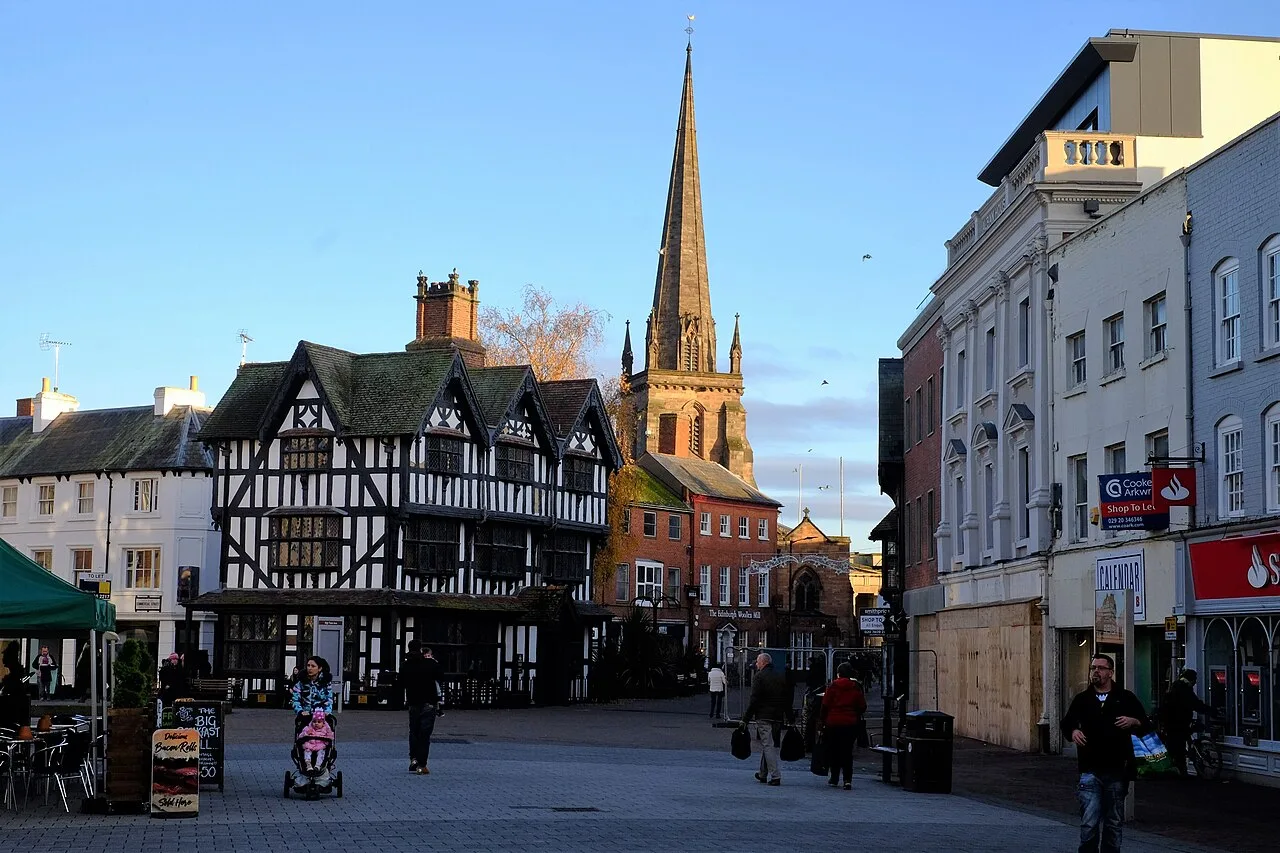

A pavement licence in Herefordshire now costs £150, not £500, and £105 to renew. The old fee was the legal maximum. The cut runs to 31 March 2028.
Putting tables and chairs outside a Herefordshire cafe or pub has just got £350 cheaper. The council has cut the fee for a pavement licence from £500 to £150, and the renewal fee from £350 to £105.
The reduction is already live on the council’s licensing page, and it is time-limited. The new prices run until 31 March 2028, a date the council’s announcement did not give.
What was actually cut
Here is the detail the press release leaves out. Those old fees were not a Herefordshire decision about what the service costs. They were the maximum the law allows.
Section 2 of the Business and Planning Act 2020, as amended, caps what a council can charge:
- £500 for a pavement licence application
- £350 where the applicant already holds a licence for those premises, including a renewal
Herefordshire was charging both figures to the penny. The new fees are 30 per cent of the statutory ceiling.
The decision was approved by Cabinet Member for Roads and Regulatory Services Councillor Barry Durkin, and applies to new applications and renewals alike.
Councillor Durkin said the council was “removing a cost barrier for businesses while continuing to ensure that outdoor seating is managed safely and appropriately”, and described it as time-limited “allowing us to understand the impact on businesses, customers and our communities”.
What a pavement licence gets you
A pavement licence lets a business put removable furniture, chairs, tables, barriers and similar, on the public highway outside its premises. Cafes, restaurants, pubs and coffee shops all need one. Furniture cannot go out without it.
The rest of the process is unchanged:
- The licence runs for two years once granted
- There is a 14 day public consultation period, starting the day after the council receives a valid application
- The council must consult on and decide the application within 28 days, excluding public holidays, from the day after it receives a valid application
- The fee is non-refundable, whether or not the licence is granted
- On the day you apply you must fix a notice of the application to the premises, visible and readable from outside
One point worth knowing before you apply: under the same Act, if the council does not determine an application in time, a licence is deemed to be granted and runs for two years from the day after the determination period ends.
What it means for you
If you run a hospitality business: a two-year licence now works out at £75 a year, or about £52 a year on renewal. Applying before 31 March 2028 locks in the lower price for that application. Nothing about the 14 day consultation or the 28 day decision window has changed, so allow roughly six weeks from applying to putting a chair out.
If you live or walk near one: the consultation period is your window. The council has to publicise applications and take representations for 14 days, and the notice has to be displayed on the premises itself. The council says pavements must remain “safe and accessible for everyone”, and access is one of the grounds it weighs.
Who backed it
The council quoted Samantha Morgan of Drapers Lane Deli in Leominster, who said reducing the cost “makes it much more affordable for independent businesses like ours to do that”, and that she hoped it would mean “more people choosing to spend time in our town centres”.
Cabinet Member for Economy and Growth Councillor Graham Biggs said small businesses make “a huge contribution to the character and vitality of our town centres, and relatively small changes can make a real difference to them”.
The council has not published a target for how many extra licences it expects, or what the fee cut costs it in lost income. Both would be reasonable things to ask for when the scheme is reviewed before 2028.
Related
- Hereford roadworks and travel: closures and parking charges across the county.
- Things to do in Hereford: where to go in and around the city.
- Hereford planning: what is being decided near you.
Sources
- Herefordshire Council, boost for Herefordshire’s high streets as Council cuts pavement licence fees, 18 August 2026, for the 70 per cent reduction, the old and new fees and all three quotes.
- Herefordshire Council, pavement cafe licence, checked 22 August 2026, for the £150 and £105 fees now in force, the 31 March 2028 end date, the two-year duration, the 14 day consultation, the 28 day determination period and the non-refundable fee.
- Business and Planning Act 2020, section 2, as amended, for the £500 and £350 statutory maximum fees, the 14 day public consultation period and the site notice requirement, and section 4 for the two-year licence duration and deemed licences.
Have your say